


 Serial Entrepreneur
 Bootstrapped Founder
About
Hello Wello is an adaptive wellness coaching platform that connects how you think, eat, and move into one personalized coaching relationship. It learns how your real life works, then adapts your wellness plan around your schedule, energy, priorities, and changing needs, helping busy people, starting with busy mothers, turn what they know they should do into what they actually do.
Traction & Metrics
Users & Clients
31
Users
1
Clients
Financial
$0
MRR
$0
ARR
Fundraising
$43K
Previous Round


Products
Hello Wello
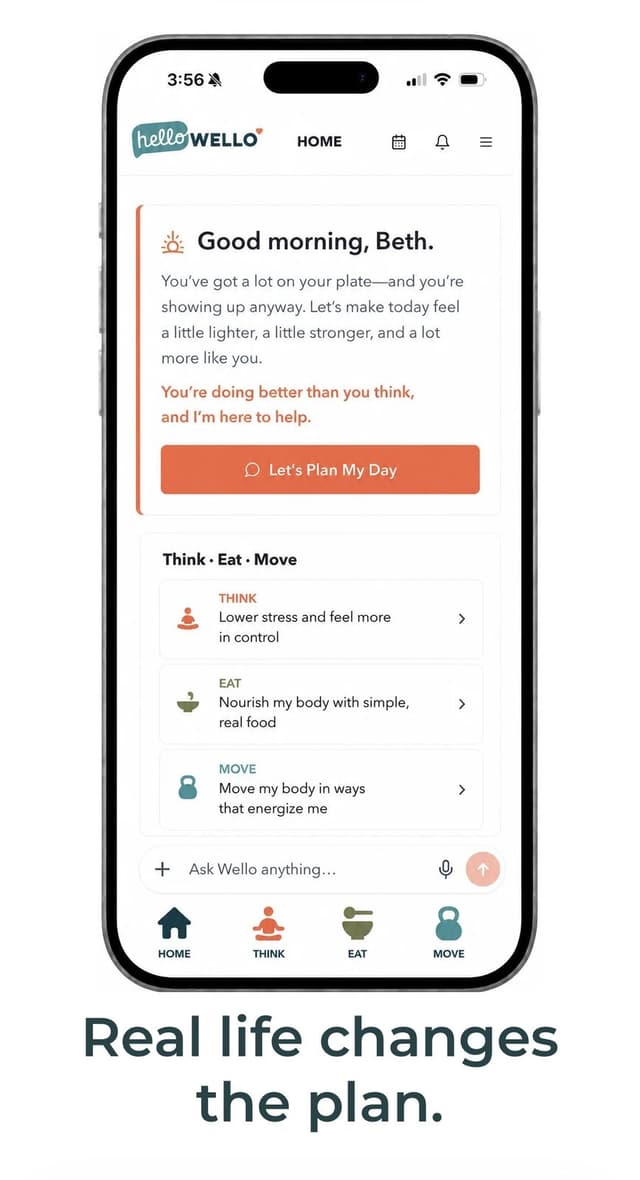
An AI-native coaching app that connects Think, Eat, and Move into one adaptive coaching relationship. The platform uses ongoing user context (goals, schedule, energy, preferences, constraints) combined with behavior-change coaching logic and an AI engine to deliver personalized, emotionally intelligent next steps that adapt in real time to real-life disruptions—reducing guilt and overwhelm while increasing clarity and follow-through for busy, overwhelmed users like working mothers.
Click to read more
Updates
Start Up Boston Week
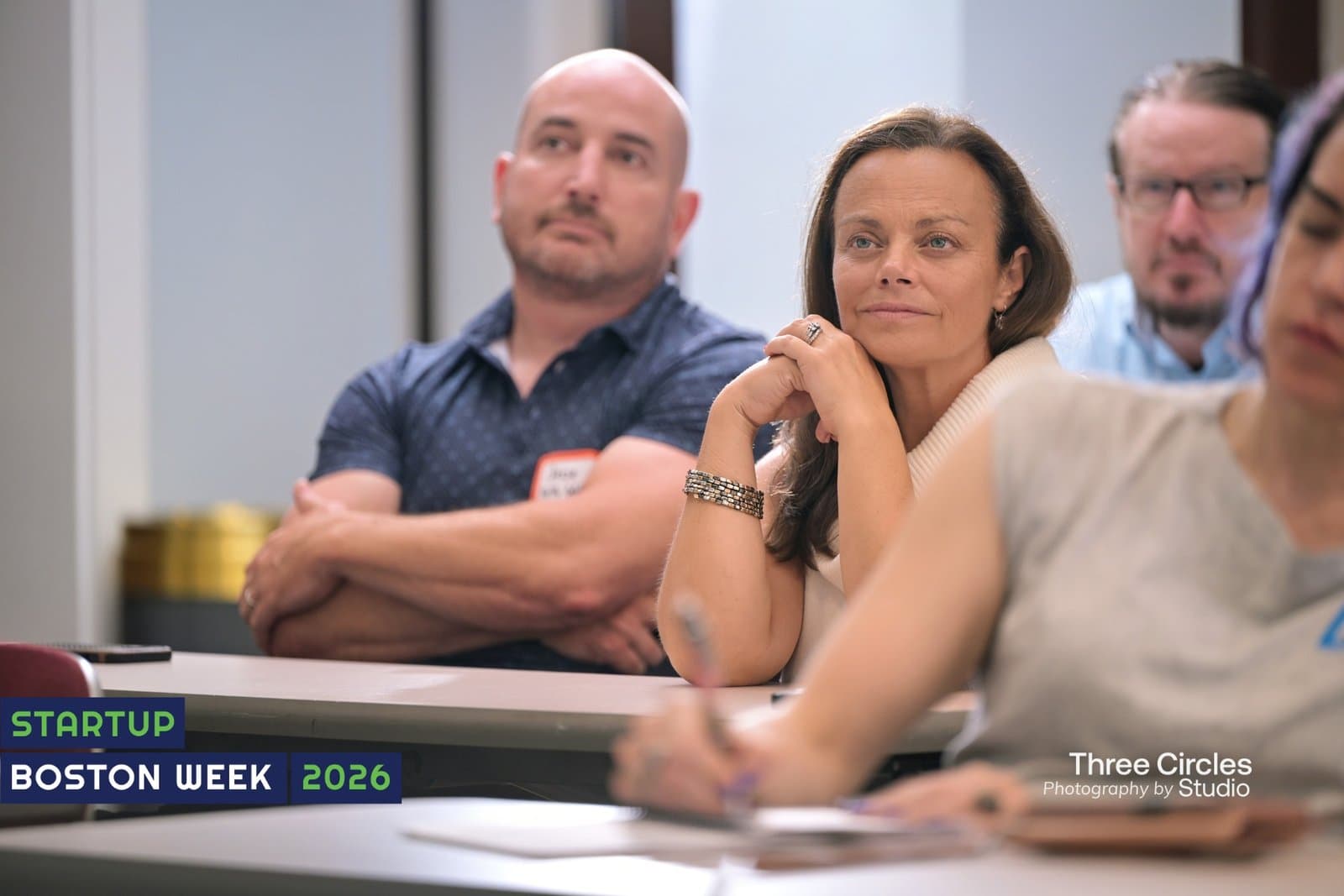
Our early beta is giving us exactly what we hoped for: real-world insight into how people use wellness support when life doesn’t go according to plan. This week at Startup Boston, conversations with founders, investors, and industry leaders reinforced the problem we’re solving: people don’t lack wellness information. They struggle to make what they already know work within the complexity of real life. Those conversations, alongside what we’re learning from beta users, are helping us sharpen Hello Wello’s adaptive coaching experience and how it connects mindset, nutrition, and movement into one relationship that learns the individual and helps them adjust as life changes. We’re leaving Boston with new relationships, valuable feedback, and several conversations we’re excited to continue.
Traction Changes Everything
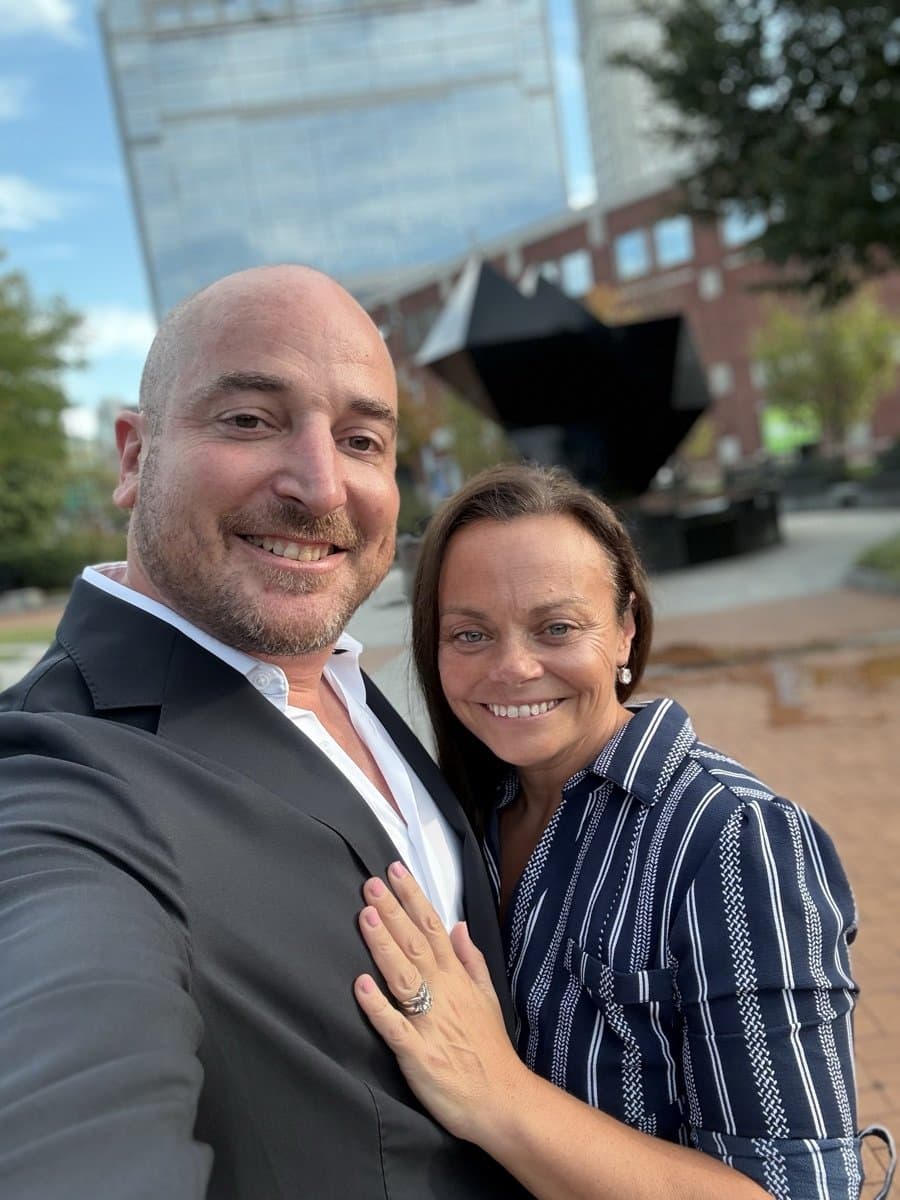
We’re home. And I am FIRED UP. Jesse and I just got back from Startup Boston, and I’m not sure my brain has caught up yet. Pages of notes. New relationships. Conversations we’re continuing. And about a million things Jesse and I have already started talking about. But one thing I heard this week keeps coming back to me: Traction solves almost everything. I freaking love that. Because we don’t need to convince people Hello Wello is a great idea. We need to prove people want it. And right now, our beta users are giving us feedback FAST. They’re using Wello. They’re telling us what they love, what they’re doing with it, and most excitingly, they keep asking for more. They’re asking for deeper ways to use the personalization and connected coaching they’re already experiencing. And so many of their ideas line up with things already on our roadmap. That has been one of the coolest parts of beta. They’re not asking us to build a different product. They’re asking us for more of the product we’re already building. And Jesse and I keep looking at each other thinking: Imagine what we could do with a team of engineers. Because we know what we want to build. Our users are showing us they want it too. And every week, we’re learning more about exactly what it needs to become. I’ve spent 26 years working deeply with the exact market we’re building Hello Wello for. And if there’s one thing I know after all those years, it’s this: They don’t have an information problem. They know they should move more, eat better, manage stress, and get more sleep. Knowing what to do isn’t the problem. Making it work in the middle of their actual lives is. AI can already make a meal plan. It can already write a workout. That’s not what we’re proving... We’re proving that Hello Wello can get to know someone over time and use that understanding to help them actually take care of themselves when real life happens. More users. More feedback. More learning. More proof. We came home from Boston more confident in what we’re building, more curious about what we’re going to learn, and ridiculously excited about how much bigger this could become. This is getting really freaking fun.
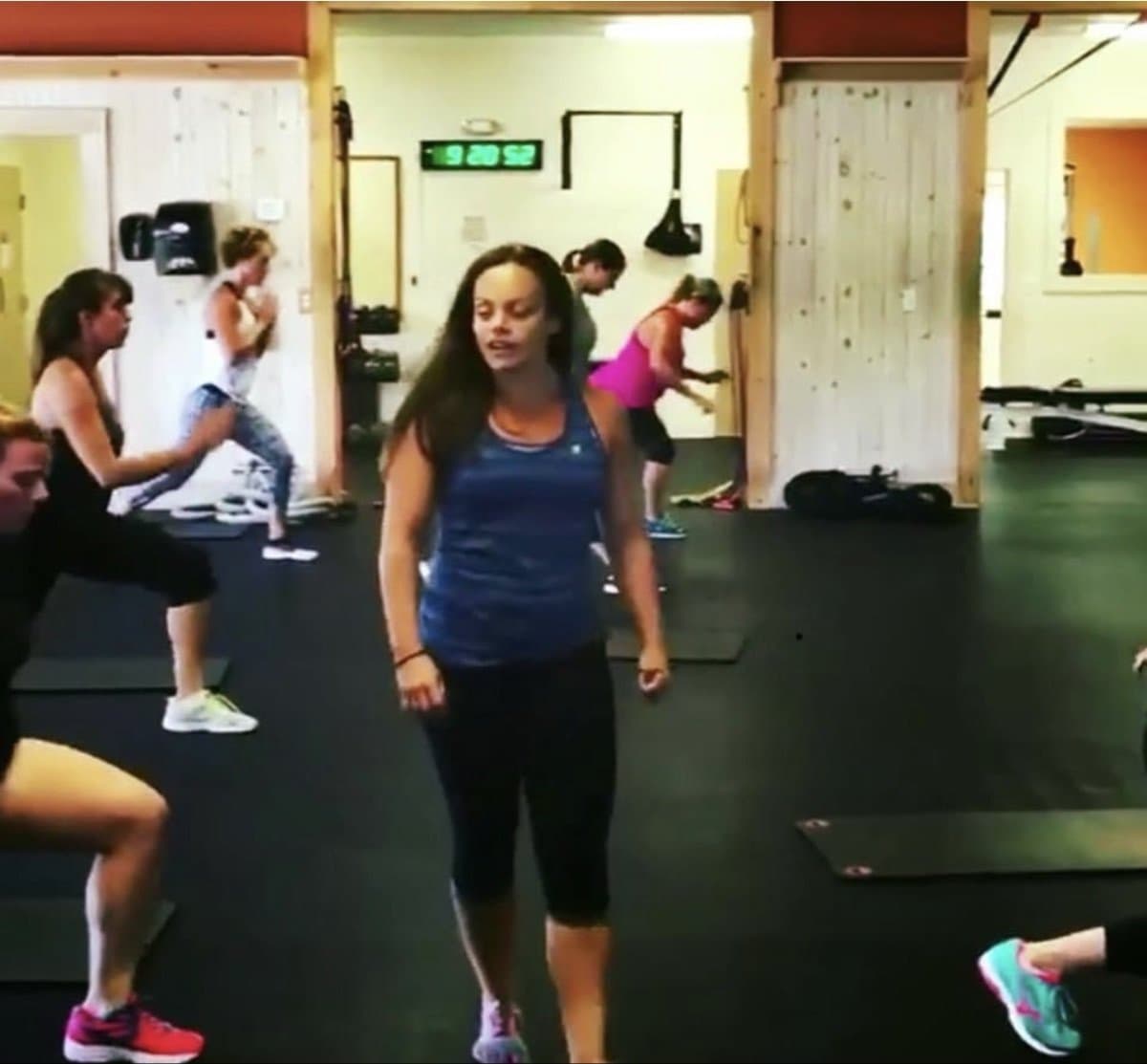
26 years in wellness taught me that fitness was too small a box.
I used to HATE the word “wellness.” 😂 Which is pretty funny considering I’ve spent 26 years coaching people and owned and ran a gym for 17 of them. Fitness felt strong. Training meant taking action. “Wellness” felt like cucumber water, fluffy robes and somebody telling me to meditate more. 😂 But years of coaching people trying to make fitness work inside their actual lives changed how I saw it. You can’t separate the workout from the food, the stress, the sleep, the kids, the job. All of it affects all of it. That’s when wellness finally made sense to me. It wasn’t watered-down fitness. It was the whole picture. And underneath that was an even bigger problem I’d watched for years: People usually know what they’re “supposed” to do. Then Tuesday happens… The meeting runs over. A kid needs a ride. An hour for a workout becomes 17 minutes. Dinner plans change. You barely slept. The problem isn’t knowing what to do. It’s knowing what to do NOW. That’s a big part of the thesis behind Hello Wello. We’re building Wello to connect mindset, nutrition and movement in one coaching relationship that can understand what’s happening in someone’s real life and help them adjust without throwing the whole plan away. Think. Eat. Move.⚖️ We’re now in beta, and watching real users interact with Wello is giving us an even clearer picture of where that gap exists. Wellness shouldn’t require your life to cooperate. That’s the problem we’re building to solve.
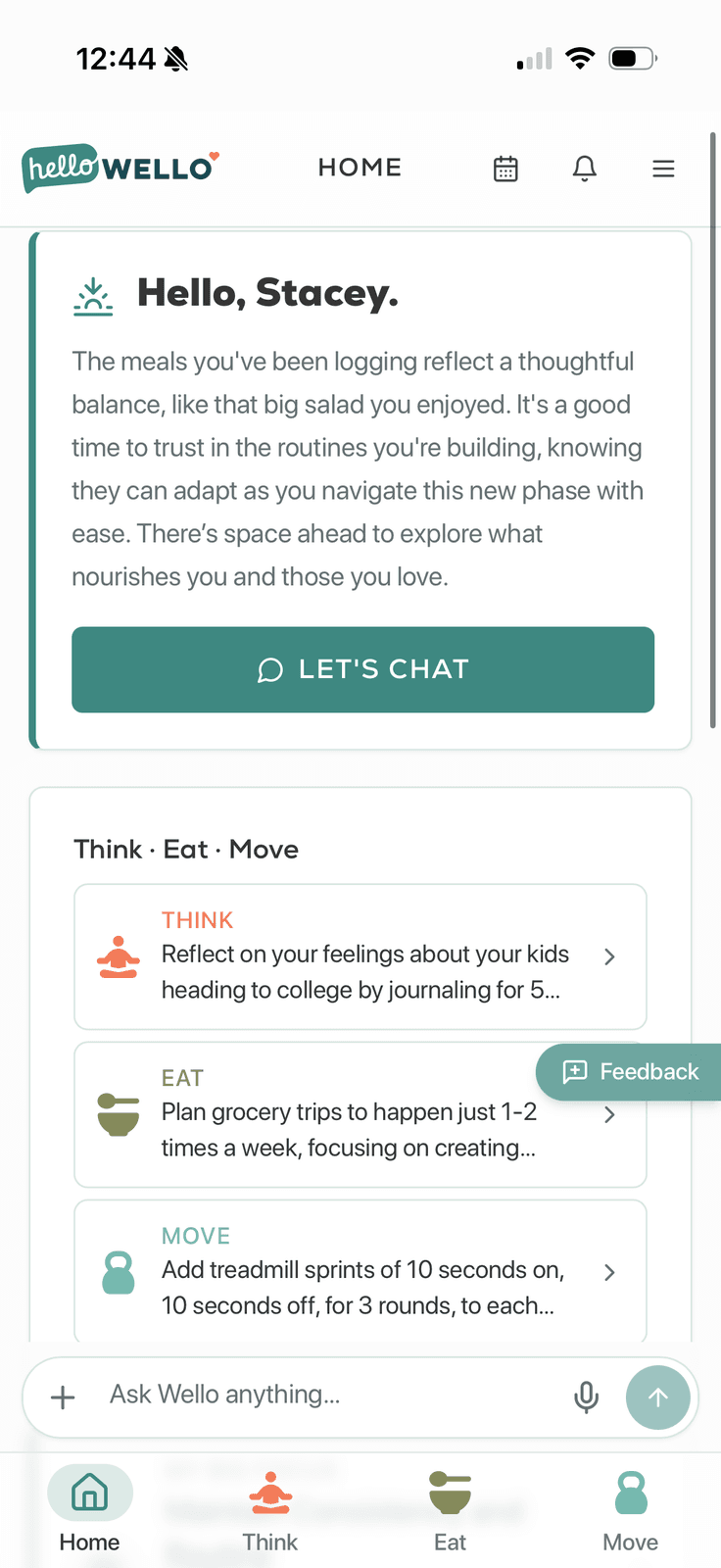
Hello Wello Is Live in Beta 🎉
We did it. Hello Wello is officially in beta and being used by real people across New England. After 26 years working in wellness with the exact market we’re building for, we had a strong hypothesis: people don’t need more information about how to be healthy. They need help making what they already know work in their actual lives. Now we get to test that. Our early users are using Wello across mindset, nutrition, and movement, and their feedback is already pushing us toward deeper personalization, stronger memory, and an even more connected coaching experience. This is the part we’ve been waiting for: watching what happens when the product meets real life. MVP built. Beta live. Real users. Real feedback. Now we learn, iterate, and grow.
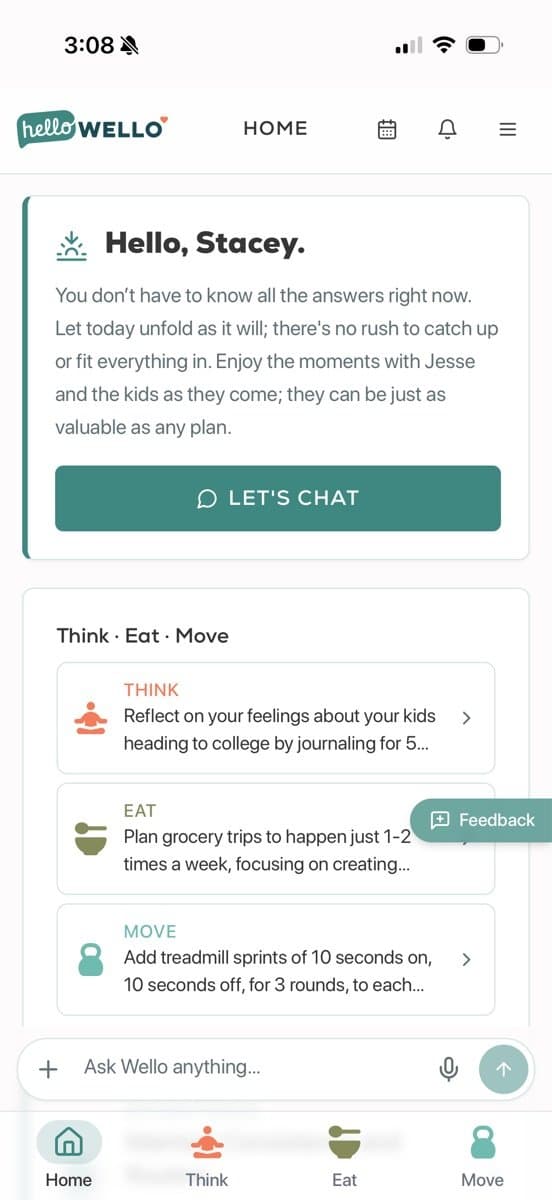
Hello Wello weekly update: 9/28/26
We have surpassed 30 beta users, all through early organic outreach as we continue testing before putting paid acquisition behind the product. One of our biggest learnings so far: getting someone to sign up and getting them to come back are two very different things. That’s pushed re-engagement to the top of our list. This week we’re building our nurture flow through HubSpot Pro and tightening the onboarding experience based on what we’re seeing from beta users. We’re also beginning conversations around research partnerships to help validate the behavioral-change model behind Hello Wello. Small numbers. Lots of learning. And each week we know more about what it will take to make this work at scale.
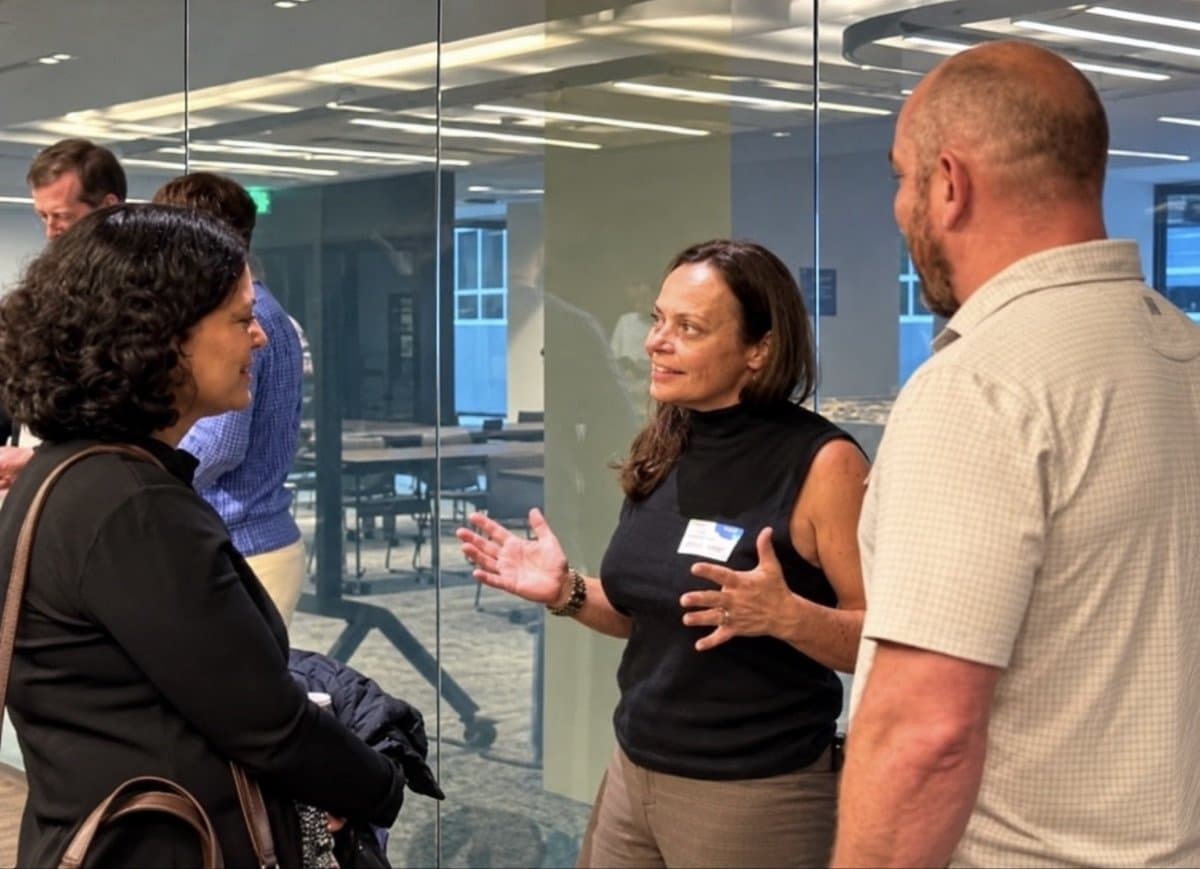
Big week for Hello Wello
We’re live in beta with 30+ early users, and real-world usage is helping us identify exactly where we can improve onboarding, engagement and retention as we prepare to scale. This week we also: • Advanced our HubSpot integration and behavior-driven onboarding/re-engagement system to build the infrastructure needed for paid acquisition. • Had early conversations around bringing Hello Wello into the employer wellness space, including potential employee access paired with live wellness programming. • Continued conversations around research and validation, with a growing focus on measuring adherence and how quickly people return to healthy behaviors after real life disrupts the plan. • Attended anither Founders & Funders in Boston, made new investor connections and began sending our updated deck to interested contacts. • Continued refining our data strategy and the long-term opportunity to turn privacy-protected, aggregated behavioral insights into a valuable research and insights layer. The bigger signal we’re seeing: AI health coaching is moving quickly into the mainstream. Our focus remains very specific: building the behavioral layer that helps busy moms turn all that health information into something they can actually follow when real life happens. Next up: deepen beta engagement and retention data, continue investor conversations, test acquisition infrastructure and move several partnership/research conversations forward.